


AI Social Media Tools 2026: Transforming Engagement for Forward-Thinking Brands
Author Hamza Date Comment 0 Comment The digital landscape has fundamentally shifted. With over five billion social media users worldwide and the average person spending nearly two and a half hours daily on social platforms, the opportunity for brand engagement has never been greater. Yet this abundance of attention comes with intensified competition and rising user expectations. Enter artificial intelligence. In 2026, AI social media tools have transitioned from experimental novelties to essential infrastructure. The market for AI in social media continues to accelerate, driven by demand for personalization, automation, and measurable performance. Forward-thinking brands recognize that AI is no longer optional; it’s the foundation upon which successful engagement strategies are built. This guide moves beyond hype to deliver actionable insights. Drawing on industry research and real-world implementation patterns, we’ll explore the specific AI social media tools delivering measurable results, the strategies that separate leaders from laggards, and the implementation framework that turns AI investment into competitive advantage. Key Takeaways at a Glance AI adoption is now mainstream: The majority of social media marketers now use AI social media tools daily, with most brands reporting extensive AI integration across their campaigns. Performance gains are measurable: Brands consistently report better campaign results with AI assistance, including significantly higher engagement rates and more efficient audience targeting. The market is expanding rapidly: The global AI social media market continues to accelerate as organizations recognize the competitive advantage of AI-powered engagement. ROI justifies investment: Businesses implementing AI-optimized campaigns consistently earn strong returns, with top performers achieving multiples on their marketing investment. Strategic implementation matters: Success depends on thoughtful tool selection and integration rather than simply adopting AI for its own sake. Planning Your 2026 AI Social Media Strategy? Explore how leading brands are integrating AI into their social media workflows. Discover approaches that align with your goals. Learn More Chapter 1: The State of AI in Social Media Marketing, 2026 Data Adoption Has Reached Critical Mass The question is no longer whether brands use AI, but how effectively they deploy it. Recent industry surveys indicate that the vast majority of social media marketers, content creators, and entrepreneurs now use AI tools in their daily workflows. A significant portion of professionals now create at least half their content with AI assistance. Among brands specifically, adoption is equally striking. Most organizations report using AI extensively in their social and influencer marketing over the past year,not just in experimental projects but as integrated components of their workflow. The Investment Paradox Despite high usage, spending patterns reveal an interesting dynamic. A substantial portion of social media professionals spend nothing on AI tools monthly, relying instead on free tiers of popular AI platforms. While this approach provides access to basic functionality, it may limit the strategic value organizations can extract from AI implementation. However, this low-investment approach may be short-sighted. Marketing leaders increasingly leverage data, analytics, and measurement to optimize performance, the most common efficiency tactic, followed closely by AI implementation. The organizations investing strategically in paid AI tools are positioning themselves for sustained competitive advantage. The Measurement Gap A significant concern emerges from the data: a substantial portion of social media marketers don’t track or know the performance of their AI-assisted content. This indicates AI is often viewed as a convenience tool rather than a strategic asset, creating an opportunity for brands that implement proper measurement frameworks to pull ahead of competitors. For brands operating in the UAE, this opportunity is particularly pronounced. Partnering with a specialized social media marketing company dubai helps organizations navigate both the technical complexities of AI implementation and the unique cultural nuances of engaging local audiences effectively. Chapter 2: Top AI Social Media Tools Transforming Brand Engagement 1. AI-Powered Chatbots: 24/7 Engagement at Scale Chatbots represent the most visible application of AI social media tools, with the majority of marketers now using AI chatbots or conversational tools in their social workflows. These tools have evolved dramatically from scripted response bots to sophisticated conversational agents capable of handling complex queries, detecting sentiment, and escalating appropriately. The impact on customer experience is substantial. Modern AI chatbots integrated with platforms like WhatsApp, Instagram Direct, and Facebook Messenger provide instant responses regardless of time zones or staffing levels. For diverse, high-expectation audiences, this means queries receive answers in preferred languages, with context awareness that feels genuinely helpful rather than robotic. Advanced chatbot platforms interpret tone and intent, route messages intelligently, and highlight emotional or high-priority conversations that require human intervention. This hybrid approach, AI handling routine inquiries, humans managing nuanced interactions, optimizes both efficiency and satisfaction. 2. AI Content Creation Tools: Scaling Personalization Content creation has become AI’s most adopted use case, and for good reason. The data shows that the vast majority of social media professionals now rely on AI for generating content ideas, writing copy, and tailoring tone for different platforms. The performance impact is validated by research. Studies examining social media posts find that posts refined with AI-powered text analysis show strong positive impact on engagement, while posts using AI timing optimization also see significant increases in communication effectiveness. Leading AI social media tools in this category include platforms for copy generation, AI features for visual creation, and platform-specific tools trained on data from millions of creators and billions in verified influencer-driven purchases. These tools enable brands to maintain consistent output while preserving a distinctive voice, provided teams follow proper prompting and editing protocols. 3. Social Listening and Sentiment Analysis Platforms Understanding audience perception at scale has become achievable through AI-powered social listening. A majority of social media marketers now use visual AI tools, and sentiment analysis capabilities have become increasingly sophisticated. AI-driven sentiment analysis platforms detect not just positive/negative classification but nuanced emotional states, emerging trends, and early warning signals for reputation issues. Modern listening tools provide auto-sentiment analysis, auto-categorization, and auto-tagging, helping surface insights from large conversation volumes that would be impossible to analyze manually. The business case is compelling. A growing percentage of global consumers now use social media
Influencer Marketing vs User-Generated Content (UGC) in Dubai | The Future of Social Media Marketing
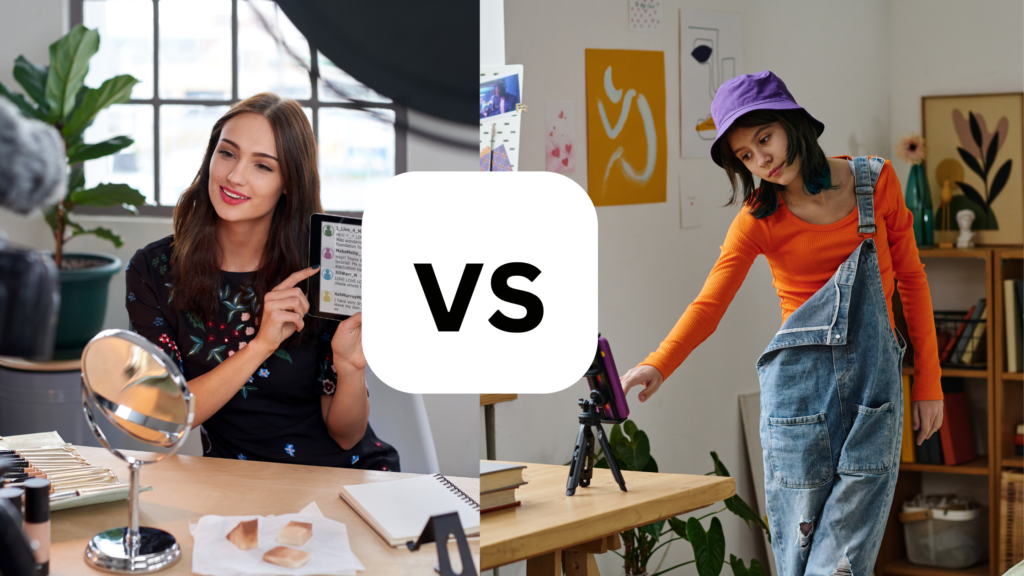
Influencer Marketing vs User-Generated Content (UGC) in Dubai | The Future of Social Media Marketing Influencer vs UGC Dubai Author Hamza Date Feb 1, 2025 Comment 0 Comment Introduction In the fast-paced world of Dubai’s fashion and lifestyle scene, businesses are tapping into two powerful tools for online growth: influencer marketing and user-generated content (UGC). But which one works best for you? Influencer marketing involves partnering with social media influencers to promote products or services, while UGC refers to content created by users or customers, such as reviews, photos, or videos shared by consumers. Both strategies have become essential for brands looking to stand out in Dubai’s competitive market. In this blog, we’ll explore the rise of influencer marketing and UGC in Dubai, compare their benefits, and help you decide which strategy is right for your business. Let’s dive in! The Rise of Influencer Marketing in Dubai Influencer marketing has taken Dubai by storm, with businesses leveraging the power of social media influencers to reach their target audience. The UAE influencer market is booming, with fashion bloggers, lifestyle influencers, and content creators reshaping the way brands connect with consumers. Why Influencer Marketing Works in Dubai: High Engagement: Influencers in Dubai have highly engaged audiences, making them ideal for promoting products and services. Trust and Credibility: Followers trust influencers’ recommendations, especially in the fashion and lifestyle niches. Targeted Reach: Influencers allow brands to reach specific demographics, such as young professionals or luxury shoppers. Key Players in Dubai’s Influencer Scene: Top Dubai Instagram Influencers: Fashion bloggers like Huda Kattan and Dana Al Fardan have become household names in the UAE. Influencer Agencies Dubai: Agencies like The Influencer Platform and Socialize help brands connect with the right influencers. Pro Tip: Partnering with influencers who align with your brand values can amplify your reach and credibility. The Power of User-Generated Content (UGC) in Dubai While influencer marketing is effective, user-generated content (UGC) has emerged as a powerful tool for building trust and authenticity. UGC involves content created by your customers, such as reviews, photos, or videos, which can be shared on your social media platforms or website. Benefits of UGC for Brands: Builds Trust: UGC is seen as more authentic since it comes from real customers. Encourages Engagement: Customers love seeing their content featured by brands, which boosts interaction. Cost-Effective: UGC is often free or low-cost, making it a budget-friendly marketing strategy. UGC in Dubai’s Fashion Scene: Dubai’s fashion influencers and brands are increasingly using UGC to showcase their products. For example, a Dubai-based fashion brand might repost customer photos wearing their latest collection, creating a sense of community and loyalty. Pro Tip: Encourage UGC by running contests or offering incentives for customers to share their experiences with your brand. Influencer Marketing vs. UGC: Which One Is Better for Your Business? Both influencer marketing and UGC have their strengths, but the best choice depends on your business goals and budget. Comparing Influencer Marketing and UGC: Reach & Authority: Influencer marketing offers immediate access to a large, targeted audience, especially with fashion influencers in Dubai. Trust & Authenticity: UGC creates more trust since it’s content created by real people (users or customers). Which One to Choose? Influencer Marketing: Ideal for businesses that need fast reach and high visibility. For example, a new fashion brand in Dubai might partner with top influencers to quickly build awareness. UGC: Perfect for businesses looking for long-term engagement and credibility. A restaurant in Dubai, for instance, could use customer photos and reviews to attract new diners. Combining the Two: For a more robust marketing strategy, consider combining influencer marketing and UGC. For example, an influencer could encourage their followers to share photos using your product, creating a wave of UGC that amplifies your campaign. Results Based Offer Link to our influencer marketing services in Dubai for businesses looking to partner with top influencers. Explore our social media services for brands interested in launching UGC campaigns. Final Thoughts Influencer marketing and user-generated content are two powerful tools for brands in Dubai’s competitive market. While influencer marketing offers fast reach and authority, UGC builds trust and authenticity. The best approach depends on your business goals, but combining both strategies can create a winning formula for success. Ready to take your social media marketing to the next level? Contact us today to learn more about our influencer marketing and UGC services in Dubai! What is the difference between influencer marketing and UGC? Influencer marketing involves partnering with social media influencers to promote your brand, while UGC is content created by your customers, such as reviews or photos. Which is more cost-effective: influencer marketing or UGC? UGC is generally more cost-effective since it relies on content created by customers, while influencer marketing involves paying influencers for promotions. Can I use both influencer marketing and UGC together? Yes! Combining both strategies can create a more comprehensive and effective marketing campaign. Share to : Facebook-f X-twitter Instagram
AI Social Media Marketing: The Complete Guide to Smarter Digital Growth
Dubai Ai Week Author Hamza Date Comment 0 Comment Social media has become one of the most powerful marketing channels for businesses around the world. Platforms like Facebook, Instagram, LinkedIn, TikTok, and YouTube allow brands to reach millions of people instantly. However, managing social media effectively has become more complex as competition continues to grow. This is where Artificial Intelligence (AI) is transforming the marketing landscape. AI Social Media Marketing helps businesses automate repetitive tasks, analyze large amounts of data, understand audience behavior, and create highly personalized marketing campaigns. By using AI-powered tools and strategies, companies can improve engagement, increase brand visibility, and achieve better results from their marketing efforts. In this comprehensive guide, we will explore how AI is changing social media marketing, the benefits it offers, the tools businesses can use, and how organizations can implement AI-driven strategies successfully. Key Takeaways AI Social Media Marketing uses artificial intelligence tools to automate content creation, analyze audience behavior, and optimize marketing campaigns. Businesses use AI-powered tools for scheduling posts, generating captions, social listening, and campaign analytics to improve marketing efficiency. AI helps brands analyze large amounts of social media data to understand user behavior, engagement trends, and content performance. One major benefit of AI marketing is personalized customer experiences, allowing brands to deliver targeted content to specific audiences. AI chatbots and automation tools improve customer support by providing instant responses to user inquiries on social platforms. Companies using AI marketing strategies often experience higher engagement, better audience targeting, and improved return on investment (ROI). AI tools can also optimize social media advertising by identifying high-converting audiences and adjusting campaigns automatically. Predictive analytics powered by AI helps marketers forecast campaign performance and identify upcoming trends. Despite its advantages, businesses must balance AI automation with human creativity to maintain authentic brand communication. The future of social media marketing will include AI-generated content, advanced personalization, influencer analytics, and smarter automation tools. What Is AI Social Media Marketing? AI Social Media Marketing refers to the use of artificial intelligence technologies to automate, optimize, and enhance social media strategies. Artificial intelligence can analyze massive datasets from social media platforms to identify patterns in user behavior, engagement, and content performance. These insights allow marketers to create more effective campaigns and deliver content that resonates with their audiences. Instead of relying on manual analysis and guesswork, AI provides real-time insights that help marketers make smarter decisions. Common applications of AI in social media marketing include: Automated content scheduling AI-generated captions and posts Predictive analytics for content performance Social listening and sentiment analysis Chatbots for customer engagement AI-powered advertising optimization These tools help businesses save time while improving the effectiveness of their marketing strategies. Have questions or want expert advice? Want to learn how AI and modern digital marketing strategies can help your business grow online?Our team regularly shares insights and solutions to help brands improve their social media presence and digital visibility. Reach out to our team here Why AI Is Revolutionizing Social Media Marketing The rapid adoption of artificial intelligence in marketing is not accidental. Businesses are increasingly relying on data-driven insights to guide their strategies. AI provides powerful tools that help marketers understand their audiences and optimize their campaigns. Data-Driven Decision Making AI systems analyze massive volumes of user data to identify patterns and trends. This allows marketers to make decisions based on real information rather than assumptions. For example, AI can determine which type of content generates the most engagement, which audience segments respond best to specific campaigns, and which posting times deliver the highest reach. Automation of Repetitive Tasks Managing social media accounts often involves repetitive tasks such as scheduling posts, responding to messages, and monitoring analytics. AI tools automate many of these processes, allowing marketers to focus on strategy and creativity. Personalized Customer Experiences One of the biggest advantages of AI is its ability to personalize marketing content. AI tools analyze user preferences and behavior to deliver customized messages and recommendations. This personalization improves engagement and strengthens relationships between brands and their audiences. Faster Marketing Insights Traditional data analysis can take days or even weeks. AI tools provide real-time insights, allowing marketers to quickly adjust their strategies and respond to market trends. Key Benefits of AI Social Media Marketing Businesses that adopt AI-powered marketing strategies often experience significant improvements in performance and efficiency. Businesses that want to fully leverage these advantages often partner with agencies that specialize in AI Social Media Marketing to improve engagement, automate campaigns, and scale their digital presence. Increased Marketing Efficiency AI tools automate time-consuming tasks such as scheduling posts, analyzing data, and monitoring performance metrics. This allows marketing teams to focus on creative campaigns and long-term strategy. Better Audience Targeting AI analyzes demographic data, behavior patterns, and engagement history to identify the most relevant audiences for specific campaigns. This helps businesses reach people who are most likely to engage with their content or purchase their products. Improved Customer Engagement AI-powered chatbots and messaging tools enable businesses to respond instantly to customer inquiries. Quick responses improve customer satisfaction and strengthen brand relationships. Higher Return on Investment AI marketing tools help businesses optimize advertising campaigns by analyzing performance data and automatically adjusting targeting strategies. This leads to better results and more efficient use of marketing budgets. How AI Is Used in Social Media Marketing Artificial intelligence can support multiple aspects of social media marketing. AI Content Creation AI-powered writing tools can generate captions, headlines, hashtags, and even blog content. These tools analyze trending topics and user preferences to suggest content ideas that are more likely to perform well. AI-Powered Social Listening Social listening tools use AI to monitor conversations about brands, products, and industries across social media platforms. This helps businesses understand customer opinions and identify emerging trends. Chatbots and Customer Service AI chatbots provide instant responses to customer questions. These automated assistants can handle common inquiries, provide product information, and guide customers through purchasing decisions. Predictive Analytics Predictive analytics tools analyze historical data to forecast future performance.